


8 Steps in ISO 9001 Quality Management Certification in Dubai Implementation
Competition and rapid growth of the business landscape insists on the need for consistent quality in products and services, which is not only a hallmark of professionalism but also a prerequisite for long-term business success. In this regard, the ISO 9001 Quality Management System (QMS) standard stands as a guiding light. It provides organizations with a structured framework that, when diligently followed, facilitates the maintenance of quality, enhancement of customer satisfaction, and the fostering of continuous improvement. This blog is for businesses operating in the vibrant city of Dubai and aspire to achieve ISO 9001 Quality Management Certification in Dubai.What exactly is the ISO 9001 Quality Management System (QMS)?
Published by the International Organization for Standardization (ISO) in 1987, and last revised in 2015, ISO 9001:2015 stands as the globally recognized standard for Quality Management Systems (QMS). This system serves as a means to oversee quality from both customer and company perspectives, offering assistance in the enhancement and efficient management of business operations. ISO Certification in Dubai centres its attention on the foundational elements encapsulated in the eight principles of QMS. Adhering to these principles in a diligent manner empowers you to effectively steer both your organization and its overall performance. These fundamental pillars include:- Customer Centricity
- Engagement of Personnel
- Process-Oriented Approaches
- Reciprocal and Advantageous Supplier Connections
- Exemplary Leadership
- Ongoing Enhancement
- Informed Decision-Making
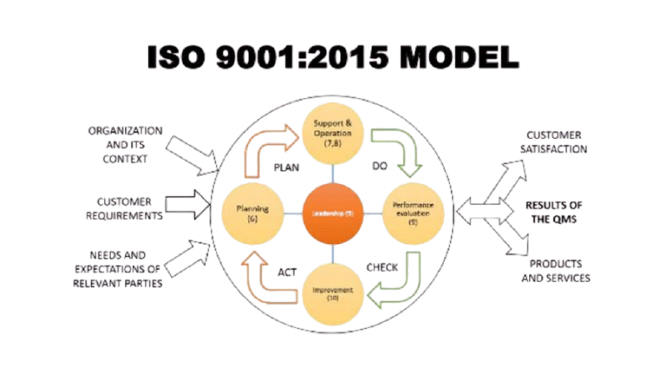
8 Crucial Steps Involved in the Seamless Implementation of ISO 9001 Quality Management Certification in Dubai
Step 1: Understanding ISO 9001
The journey toward ISO Implementation in Dubai begins with a thorough comprehension of the standard itself. ISO 9001 outlines the prerequisites for establishing a robust QMS, which organizations can harness to elevate customer satisfaction levels and consistently deliver top-notch products and services. To embark on this journey, it’s imperative to familiarize yourself with the fundamental terms, key concepts, and the overarching structure of the standard. This structure consists of a series of clauses that address context analysis, leadership, planning, support, operation, performance evaluation, and improvement.
Step 2: Leadership’s Indispensable Commitment
The bedrock of any successful ISO 9001 implementation is the unequivocal commitment of top management. Leaders need to spearhead the ISO 9001 initiative, showcasing unwavering dedication, and effectively communicating its significance throughout the organization. Furthermore, these leaders must allocate the requisite resources to ensure the successful integration of ISO 9001 standards into daily operations. This steadfast commitment sets the organizational tone, signaling to all stakeholders the paramount importance of quality and adherence to ISO 9001 standards.
Step 3: Assembling a Cross-functional Team
A paramount aspect of the ISO 9001 journey is the assembly of a dedicated cross-functional team. This team should encompass members from diverse departments, including but not limited to quality, operations, human resources, and more. This diverse composition of the team ensures a comprehensive approach, as multiple perspectives contribute to a holistic understanding of the organization’s intricacies and challenges.
Step 4: Conducting a Thorough Gap Analysis
Before diving into the implementation process, it’s imperative to conduct a meticulous gap analysis. This evaluation involves a careful examination of your existing processes and practices against the backdrop of ISO 9001 requirements. The objective is to pinpoint gaps and identify areas necessitating improvement. This comprehensive analysis serves as the bedrock upon which the tailored ISO 9001 implementation plan will be crafted to suit your organization’s specific needs.
Step 5: Developing an Iterative Implementation Plan
Crafting a detailed implementation plan forms the crux of the ISO 9001 journey. This blueprint should encompass a meticulous breakdown of tasks, delineation of responsibilities, establishment of realistic timelines, and allocation of resources necessary for the seamless integration of ISO 9001 standards. Encompassing all facets of the ISO 9001 process, from policy development and process documentation to employee training and risk management, this plan serves as a navigational tool guiding your organization through the rigorous certification process.
Step 6: Comprehensive Documentation and Process Mapping
Central to the framework of the ISO 9001 Quality Management Certification in Dubai is the creation of robust documentation. In this stage, your organization will meticulously document processes, procedures, policies, and work instructions. It’s crucial that each process is not only exhaustively defined but also seamlessly aligned with the stipulated ISO 9001 requirements. The process mapping aspect of this step provides a comprehensive visual representation of each process, thereby aiding in the identification of potential bottlenecks, redundancies, and inefficiencies that could hinder the realization of ISO 9001 standards.
Step 7: Training and Fostering Awareness
An organization’s most valuable asset is its employees, and their empowerment through education is instrumental in the ISO 9001 journey. Facilitate a comprehensive training regimen that imparts the necessary knowledge and skill sets required to uphold the QMS. These training sessions should encompass the foundational principles of ISO 9001, elucidate the individual roles within the QMS framework, and elucidate the myriad benefits of stringent compliance. This concerted effort to raise awareness serves as a catalyst, embedding a culture of quality that reverberates across all echelons of the organization.
Step 8: Nurturing Internal Audits and the Spirit of Continuous Improvement
At the heart of ISO 9001 lies the philosophy of continuous improvement. To this end, regular internal audits assume pivotal importance. These audits function as a mirror, reflecting the efficacy of your QMS. Through internal audits, pinpoint areas of non-compliance or potential areas for improvement, and subsequently, devise and implement corrective actions. This cyclic process of identification, correction, and enhancement fuels the engine of continuous improvement, propelling your organization to refine processes, elevate performance standards, and relentlessly pursue excellence.
ISO 9001 Certification UAE necessitates a thorough understanding of an organization’s context and objectives. This exercise of self-assessment promotes organizational alignment, ensuring that all aspects of the business work cohesively towards common goals. Clarity in goals and direction enhances focus and minimizes wasted resources.
ISO 9001 Quality Management Certification in Dubai as a Commitment to Perpetual Progress
Incorporating ISO 9001 standards into the fabric of your organization in Dubai isn’t merely an operational strategy; it’s a profound commitment to deliver unwavering quality, transcend customer expectations, and ultimately secure an enduring competitive advantage. By meticulously traversing these eight pivotal steps, your organization lays a robust foundation for a QMS that champions quality, operational efficiency, and an unwavering dedication to relentless improvement.
Remember, ISO 9001 Quality Management Certification in Dubai is not a fleeting accolade; it’s an enduring pledge to excel in every facet of your business while continuously embarking on a journey of perpetual refinement. For a deeper understanding of ISO Certification Standards and the implementation of Quality Management Standards, don’t hesitate to engage in a conversation with the proficient Quality Management Consultants Dubai at Kayzed Dubai. Reach out to our experts without delay!